
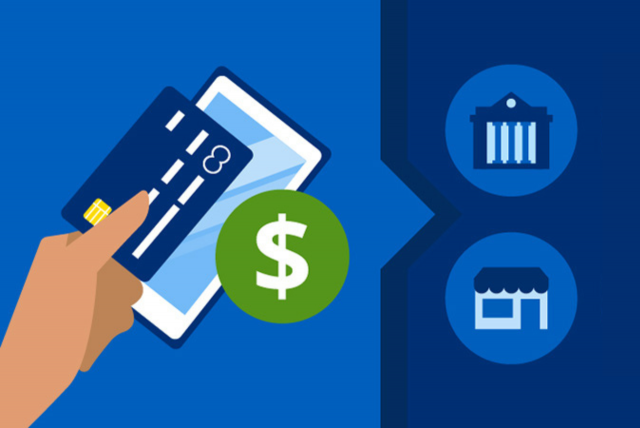
If you’re running a business, accepting credit card payments is essential for attracting customers and boosting sales. Whether you’re running a physical store, an online shop, or offering freelance services, giving your customers the ability to pay by credit card makes the purchasing process faster and more convenient.
In this guide, we’ll break down the steps on how you can start accepting credit card payments and the different methods available to fit your business needs.
- Choose the right payment processing system
To accept credit card payments, you’ll need a payment processor. This is the system that handles the transaction between the customer, the card issuer, and your bank account. There are several options available, and the best one for your business depends on whether you’re operating in-person, online, or both.
- In-person payments: If you run a physical store or offer services face-to-face, you’ll need a point-of-sale (POS) system with a credit card reader or terminal. These devices allow customers to swipe, tap, or insert their card to complete a transaction.
- Online payments: For e-commerce businesses or service providers operating online, you’ll need a payment gateway to securely process payments through your website. Popular payment gateways include Stripe, PayPal, and Square.
- Mobile payments: If your business operates on the go, such as a market vendor or mobile service provider, you can use a mobile payment processor that works with your smartphone or tablet. Systems like Square or PayPal Here offer portable card readers that connect to your mobile device, allowing you to accept payments anywhere.
Once you’ve chosen a system, you’ll need to create an account with the payment processor and set up your payment gateway or POS terminal.
- Set up a merchant account (or use an alternative)
A merchant account is a type of bank account that allows businesses to accept payments by credit or debit cards. When a customer makes a payment, the funds are deposited into the merchant account before being transferred to your business account.
Some traditional payment processors, like First Data or Chase Merchant Services, require you to open a merchant account. However, many modern payment systems, such as PayPal or Square, combine payment processing with merchant account services, eliminating the need for a separate merchant account.
- Choose your payment method (in-person or online)
The method of accepting credit card payments depends on whether your business operates in person, online, or both. Here’s how to handle each scenario:
- In-person payments: You’ll need a physical card reader or POS system that allows customers to swipe, insert, or tap their cards (including contactless payments like Apple Pay or Google Pay). Many modern POS systems also accept payments via mobile apps and digital wallets.
- Online payments: If you’re accepting payments through your website, you’ll need to integrate a payment gateway. This is a service that securely processes the transaction between your customer’s card and your bank account. Popular options include Stripe, PayPal, and Authorize.net, which are known for their secure and easy-to-use platforms.
- Mobile payments: If you’re a small business or freelancer working on the go, mobile payment processors like Square or PayPal Here allow you to accept payments via a portable card reader attached to your smartphone or tablet.
- Calculate payment processing fees
When accepting credit card payments, there are processing fees involved. These fees can vary depending on the payment processor, the type of transaction, and whether the card is swiped, inserted, or keyed in manually.
Here’s a general breakdown of fees:
- Transaction fees: These are typically around 2.5% to 3% per transaction, plus a flat fee (e.g., $0.30 per transaction).
- Monthly fees: Some payment processors charge monthly fees for access to their services, while others, like PayPal or Square, have no monthly fees but slightly higher transaction fees.
- Hardware costs: If you’re accepting in-person payments, you may need to purchase a card reader or POS system, which can range from $50 to $300 or more.
It’s important to understand these fees so you can factor them into your pricing strategy and choose the payment processor that offers the best value for your business.
- Ensure PCI compliance
When accepting credit card payments, it’s essential to ensure that your business complies with the Payment Card Industry Data Security Standard (PCI DSS). PCI compliance ensures that your customers’ credit card information is handled securely, protecting you from fraud and data breaches.
Many payment processors help with PCI compliance by securing the payment process, but it’s still your responsibility to follow best practices, such as:
- Using encrypted payment methods
- Not storing sensitive customer information (like card numbers)
- Ensuring your payment gateway is secure and up to date
Failure to comply with PCI standards can result in hefty fines and damage to your business’s reputation.
- Start accepting payments and keep track of sales
Once your payment system is set up, you can start accepting credit card payments. Keep a close eye on your sales and payment processing to ensure everything is running smoothly. Your payment processor or POS system should offer reports to help you track your sales, fees, and overall revenue.
Additionally, make sure you’re regularly transferring funds from your merchant account or payment processor to your business bank account to maintain healthy cash flow.
- Provide excellent customer service
Make sure to provide a seamless and secure payment experience for your customers. Whether it’s through a fast checkout in person or a smooth online payment process, ensuring ease of use builds trust and encourages repeat business.
If a customer encounters issues with a payment, be responsive and work with your payment processor to resolve it quickly.
Accepting credit card payments is essential for any business in today’s world. Whether you operate in person, online, or both, choosing the right payment processing system, staying PCI compliant, and understanding the fees involved will set you up for success. With the right tools in place, you’ll be able to offer your customers the convenience of paying by credit card and grow your business.