
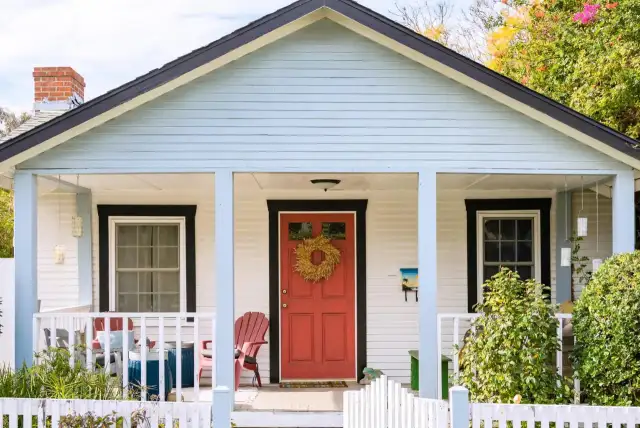
Yes, it is possible to buy a house with bad credit, but it can be more challenging, and you may face higher interest rates or stricter terms. Lenders typically use credit scores to determine your creditworthiness, so a lower score can limit your mortgage options. However, there are several strategies and programs designed to help individuals with poor credit get approved for a home loan.
1. What is considered “bad credit”?
In general, a credit score below 580 is considered poor, while scores between 580 and 669 are seen as fair. Most traditional lenders prefer borrowers with scores above 620, but it is still possible to qualify for a mortgage with lower scores through specific programs and strategies.
2. Government-backed loan options for bad credit
Certain government programs are designed to help people with lower credit scores buy homes. These options often have more flexible requirements, making them a good choice for buyers with bad credit:
- FHA Loans: The Federal Housing Administration (FHA) offers loans for borrowers with credit scores as low as 500. If your score is between 500 and 579, you’ll need to make a 10% down payment. If your score is 580 or above, you may qualify with as little as 3.5% down.
- VA Loans: For eligible veterans and military personnel, VA loans are a great option. The Department of Veterans Affairs doesn’t have a minimum credit score requirement, but most lenders require a score of 580 or higher.
- USDA Loans: For rural homebuyers, the U.S. Department of Agriculture offers loans with no down payment and flexible credit requirements. Generally, a score of 640 is preferred, but some lenders will work with lower scores.
3. Increase your down payment
If you have bad credit, increasing your down payment can make you more appealing to lenders. A larger down payment reduces the lender’s risk, and in some cases, they may be more willing to approve your loan or offer better terms.
4. Improve your credit before applying
Improving your credit score before applying for a mortgage can help you qualify for better rates and terms. Here are some steps you can take to boost your score:
- Pay down existing debts: Reducing your debt-to-income ratio can make you a more attractive borrower.
- Make timely payments: Your payment history plays a large role in your credit score. Make sure you pay all your bills on time.
- Check for errors on your credit report: Review your credit report for any mistakes that could be lowering your score. Dispute errors with the credit bureaus to have them corrected.
5. Consider a co-signer
If you have bad credit, adding a co-signer with good credit to your mortgage application can improve your chances of approval. The co-signer shares responsibility for the loan, which reduces the lender’s risk. However, keep in mind that if you default on the loan, the co-signer is legally obligated to make the payments.
6. Work with a lender who specializes in bad credit loans
Some lenders specialize in working with borrowers who have bad credit. These lenders may offer more flexible criteria for approval, but they typically charge higher interest rates. It’s important to shop around and compare offers to find the best deal.
7. Prepare for higher interest rates
Buying a house with bad credit usually means you’ll face higher interest rates compared to borrowers with good credit. A higher interest rate can significantly increase the cost of your mortgage over time. If you can, it might be worth improving your credit score first to qualify for better rates.
Yes, you can buy a house with bad credit, but it may take more planning and effort. Government-backed loans, a larger down payment, and improving your credit score are all ways to increase your chances of getting approved. While it may require some extra steps, homeownership is still achievable even with a lower credit score.