
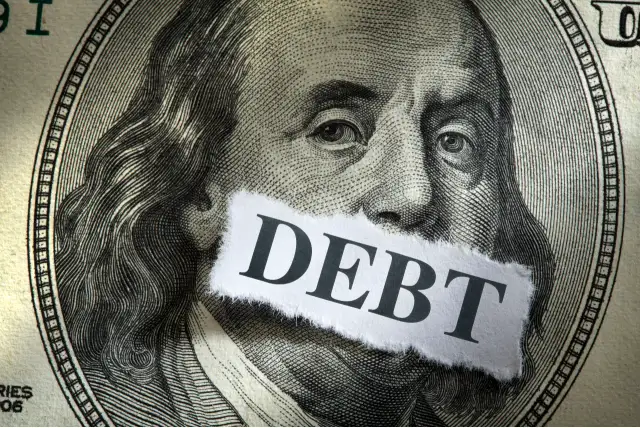
Debt can become overwhelming faster than most people expect. A temporary financial setback, rising living costs, or unexpected emergencies can make it difficult to keep up with credit card or loan payments.
The good news is that many major banks, including Chase, Citi, and Bank of America, are often willing to negotiate with customers before accounts become seriously delinquent.
Negotiating debt may feel intimidating at first, but banks usually prefer working out a payment solution instead of sending accounts to collections.
Understanding how the process works can help consumers reduce financial stress and potentially save thousands of dollars in interest and fees.
Why banks are willing to negotiate debt
Lenders prefer repayment over default
Banks make money when customers continue making payments. If an account becomes completely unpaid, the lender risks losing money through collections or charge-offs.
Because of this, many banks offer hardship programs or settlement options for borrowers facing financial difficulties.
These programs are designed to increase the chances of recovering at least part of the debt while helping consumers avoid deeper financial problems.
Financial hardship programs are more common than people think
Major banks regularly assist customers dealing with:
- Job loss
- Medical emergencies
- Divorce
- Inflation-related financial strain
- Reduced income
- Unexpected expenses
Depending on the situation, lenders may temporarily lower monthly payments, reduce interest rates, waive fees, or offer structured repayment plans.
When to contact your bank
The earlier you act, the better
One of the biggest mistakes consumers make is waiting too long to ask for help. Once accounts become severely delinquent, options become more limited.
Contacting the bank early often leads to better outcomes because the account is still considered active and recoverable.
Even if you are only starting to struggle with payments, it is worth discussing available hardship options before missing multiple due dates.
Know your financial situation before calling
Before speaking with the bank, it helps to understand:
- Your total debt balance
- Current interest rates
- Monthly minimum payments
- Your income and expenses
- How much you can realistically afford
Banks are more likely to work with customers who can clearly explain their financial situation and propose a reasonable payment plan.
How to negotiate debt successfully
Ask about hardship programs first
Most large banks have internal hardship assistance programs. These are often better than waiting for accounts to go into collections.
When calling customer service, ask directly if the bank offers:
- Temporary payment reduction
- Lower APR options
- Fee waivers
- Payment deferment
- Structured repayment plans
In many cases, lenders may reduce interest rates significantly for several months or longer.
Be honest and professional
Debt negotiations tend to work better when consumers remain calm and transparent about their situation.
Explain:
- Why you are struggling financially
- Whether the hardship is temporary or ongoing
- What payment amount you can realistically maintain
Banks deal with financial hardship cases every day, so there is no need to feel embarrassed during the conversation.
Request lower interest rates
High interest rates are often what make debt difficult to manage. Even a small APR reduction can make repayment much easier.
Consumers with a good payment history may have stronger negotiating power, especially if they have been long-term customers.
A lower interest rate helps more of each payment go toward reducing the actual balance instead of interest charges.
Debt settlement vs. repayment plans
Debt settlement may reduce the total balance
In some situations, banks may agree to settle debt for less than the full amount owed. This usually happens when accounts are already delinquent or close to charge-off status.
For example, a lender may accept a lump-sum payment equal to 50% to 70% of the balance.
However, debt settlement can negatively impact credit scores and may create tax consequences because forgiven debt can sometimes be considered taxable income.
Repayment plans are less damaging to credit
Structured repayment plans are generally safer for consumers trying to protect their credit.
These plans may include:
- Fixed monthly payments
- Reduced interest rates
- Closed accounts to prevent additional borrowing
- A clear payoff timeline
Although repayment plans may temporarily affect available credit, they are usually less harmful than missed payments or collections.
Should you use a debt relief company?
Be cautious with third-party services
Many debt relief companies advertise aggressive settlement services, but some charge high fees or make unrealistic promises. Before hiring a company, consumers should research:
- Customer reviews
- Fees
- Accreditation
- Potential risks
In many cases, negotiating directly with the bank can be just as effective and avoids additional costs.
Nonprofit credit counseling may help
Certified nonprofit credit counseling agencies can sometimes help consumers organize repayment plans and communicate with creditors. These organizations may also provide budgeting assistance and financial education.
Negotiating debt with banks like Chase, Citi, or Bank of America may feel stressful, but it is often one of the smartest steps consumers can take when facing financial difficulties.
Banks generally prefer finding workable solutions instead of losing money through defaults or collections. The key is acting early, understanding your financial situation, and communicating clearly about what you can realistically afford.
Whether through hardship programs, lower interest rates, or structured repayment plans, negotiating debt can help reduce financial pressure and create a more manageable path toward becoming debt-free.