
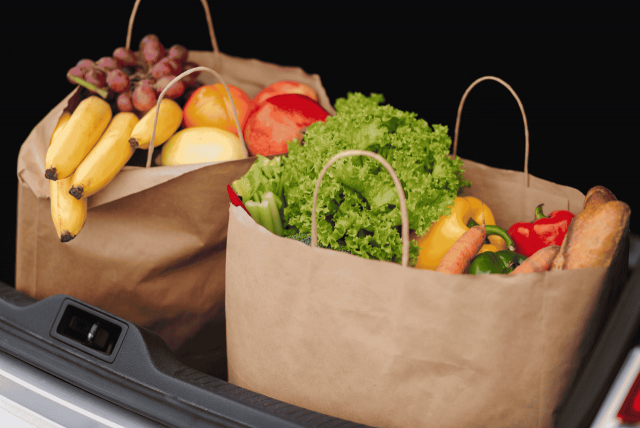
Groceries can be one of the biggest expenses in your monthly budget, but there are plenty of ways to reduce your spending without compromising on quality or nutrition.
With a few smart strategies, you can significantly lower your grocery bill while still eating well.
In this article, we’ll explore eight practical tips to help you save money on groceries, whether you’re shopping for a family or just for yourself.
1. Plan your meals and make a list
One of the easiest ways to save money on groceries is to plan your meals in advance. Meal planning helps you avoid impulse buys and ensures you only purchase the ingredients you actually need.
Take some time each week to plan your meals and create a shopping list based on the ingredients you need for those meals.
- Tip: Stick to your list when shopping to avoid buying items that aren’t essential. This helps you stay on budget and reduces food waste.
2. Buy in bulk for non-perishable items
For items that you use regularly and don’t spoil quickly, buying in bulk can lead to substantial savings.
Products like rice, pasta, canned goods, and household staples like toilet paper or cleaning supplies are often cheaper when bought in larger quantities.
Just make sure you have enough storage space and that you’re buying items you’ll actually use.
- Tip: Check the price per unit on bulk items to ensure you’re really getting a better deal compared to smaller quantities.
3. Use coupons and cash-back apps
Coupons are a classic way to save money, and they’re easier to use than ever with digital apps and online resources.
Many grocery stores offer digital coupons through their websites or apps, and there are several cash-back apps like Ibotta and Rakuten that offer rebates on specific products.
- Tip: Combine store sales with coupons to maximize your savings. Just be careful not to buy something you wouldn’t normally use just because there’s a coupon.
4. Buy store brands
Store brands, also known as private labels, are often just as good as the name-brand products but come at a lower price.
From canned goods to cleaning supplies, store-brand items can save you a significant amount of money on your grocery bill. In many cases, these products are made by the same manufacturers as the brand-name items but are sold under the store’s label at a lower cost.
- Example: If you’re used to buying a brand-name cereal that costs $4 a box, switching to the store brand at $2.50 per box could save you $1.50 each time.
5. Shop with the seasons
Produce prices can vary dramatically depending on the season. Fruits and vegetables that are in season are typically more affordable, fresher, and often taste better.
Out-of-season produce, on the other hand, is usually more expensive because it has to be shipped from faraway places.
- Tip: Get to know which fruits and veggies are in season in your area and plan your meals around them. Alternatively, frozen fruits and vegetables can be a cost-effective option when certain items are out of season.
6. Avoid pre-packaged and pre-cut items
Pre-packaged or pre-cut fruits, vegetables, and other convenience items may save you time, but they come at a higher price.
By buying whole foods and cutting, peeling, or prepping them yourself, you can save a significant amount of money.
- Example: A pre-cut fruit platter might cost $10, while buying the individual fruits and cutting them yourself could cost half that.
7. Shop the sales and stock up
Keep an eye out for sales and discounts at your local grocery store. When items you regularly use go on sale, take advantage of the discount and stock up.
This is especially useful for non-perishable items, but you can also freeze certain foods, like meat, bread, and vegetables, to use later.
- Tip: Check weekly circulars for deals and markdowns, and try to plan your shopping trips around the best sales.
8. Avoid shopping when hungry
Shopping while hungry is a recipe for overspending. When you’re hungry, you’re more likely to make impulse purchases, especially on snack foods or other items you don’t really need.
Eat a meal or snack before heading to the store to help keep your focus on your shopping list and your budget.
- Tip: If you find yourself craving treats while shopping, ask yourself if it’s something you truly need or if it’s just because you’re shopping on an empty stomach.
Eat well and save more
By implementing these simple strategies, you can drastically reduce your grocery bill while still enjoying nutritious, delicious meals.
Whether it’s meal planning, buying in bulk, or using coupons, the key is to be mindful of your spending and stick to a plan.
With a little effort, you’ll find that saving money on groceries is easier than you think.