
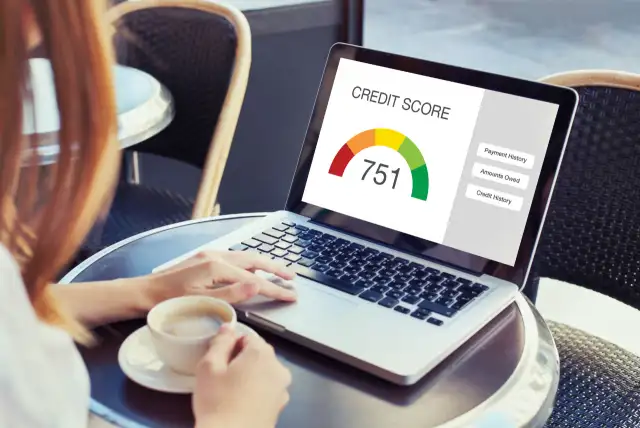
Most people associate credit scores with borrowing money. While your score certainly impacts whether you qualify for credit cards, mortgages, or car loans, its influence extends much further into everyday life than many consumers realize.
Today, a credit score can affect housing opportunities, insurance costs, job applications, and even utility services.
A strong score may open doors to lower costs and better financial opportunities, while a poor score can quietly make life more expensive and complicated.
Understanding how credit scores influence different areas of life can help consumers make smarter financial decisions and avoid long-term consequences.
Why credit scores matter so much
Credit scores help companies measure financial risk
Lenders originally created credit scores to predict how likely someone is to repay debt responsibly. Over time, other industries began using credit information as a way to evaluate financial reliability and risk.
Although scoring models vary, most credit scores are based on factors such as:
- Payment history
- Credit utilization
- Length of credit history
- Types of credit accounts
- Recent credit inquiries
Because these scores summarize financial behavior in a simple number, many businesses now rely on them during approval processes.
How credit scores affect borrowing
Better scores usually mean lower interest rates
One of the biggest financial advantages of a strong credit score is access to lower borrowing costs. Consumers with higher scores often qualify for:
- Lower mortgage rates
- Better auto loan terms
- Higher credit limits
- Premium credit cards
- Lower personal loan APRs
Even a small difference in interest rates can save thousands of dollars over time, especially on long-term loans like mortgages.
Poor credit can limit borrowing options
Low credit scores may lead to:
- Loan denials
- Higher security deposits
- Higher interest rates
- Reduced credit limits
Some lenders may still approve borrowers with poor credit, but usually at much higher costs.
Your credit score can affect where you live
Landlords often check credit reports
Many landlords review credit reports before approving rental applications. They want reassurance that tenants are likely to pay rent consistently and on time.
A low score does not automatically prevent someone from renting an apartment, but it may lead to:
- Higher security deposits
- Cosigner requirements
- Application denials
- Limited housing choices
In competitive rental markets, strong credit can provide a significant advantage.
Mortgage approvals depend heavily on credit
Buying a home is another area where credit scores become extremely important. Mortgage lenders use scores to determine both approval eligibility and loan pricing. Higher scores can help buyers secure:
- Lower down payments
- Better interest rates
- More affordable monthly payments
Meanwhile, poor credit may delay homeownership entirely.
Insurance companies may use credit information
Credit-based insurance scores are common
Many insurance companies use credit-related data when calculating premiums, especially for auto and homeowners insurance.
Research has shown that consumers with lower credit scores sometimes pay higher insurance rates because insurers associate poor credit with increased risk.
While not every state allows this practice, it remains common across much of the United States.
Good credit may reduce insurance costs
Consumers with stronger credit profiles may qualify for lower monthly premiums, even if they have similar driving records or property histories as someone with weaker credit.
This means your credit score could indirectly affect your monthly expenses beyond debt payments.
Credit scores may impact employment opportunities
Some employers review credit reports
Certain employers, especially in financial industries or positions involving money management, may review a modified version of a candidate’s credit report during the hiring process.
They are typically looking for signs of financial responsibility rather than focusing only on the score itself.
A history of unpaid debts, collections, or bankruptcies may raise concerns for some employers, particularly for roles involving security clearances or financial oversight.
Credit reports for employment are limited
Employers do not see the same detailed credit scores lenders use, and they generally need permission before accessing reports. Still, financial history can sometimes influence hiring decisions more than people expect.
Utility services and everyday accounts can also be affected
Poor credit may require larger deposits
Consumers with lower credit scores sometimes face larger upfront deposits when opening:
- Utility accounts
- Internet services
- Cell phone plans
Companies use credit information to evaluate payment risk, especially when services are provided before payment is collected.
Better credit creates more flexibility
Strong credit can simplify approvals and reduce the amount of money required upfront for essential services. Over time, this flexibility can improve overall financial stability.
How to protect and improve your credit score
Pay bills on time consistently
Payment history is usually the most important factor affecting credit scores. Even one missed payment can cause noticeable damage. Setting up automatic payments or reminders can help prevent late payments.
Keep credit utilization low
Using too much available credit can hurt scores, even if payments are made on time. Most experts recommend keeping credit utilization below 30%, although lower is often better.
Avoid unnecessary credit applications
Applying for multiple accounts within a short period may temporarily lower scores because of hard inquiries. Consumers should apply for new credit strategically rather than impulsively.
Your credit score impacts far more than just loans and credit cards. From renting an apartment and buying a home to insurance premiums and employment opportunities, credit influences many parts of modern financial life.
A strong score can create better opportunities, lower costs, and greater flexibility, while poor credit can quietly make everyday life more expensive and stressful.
The good news is that credit scores are not permanent. Responsible habits like paying bills on time, keeping balances low, and managing debt carefully can gradually improve your financial profile and open more doors over time.