
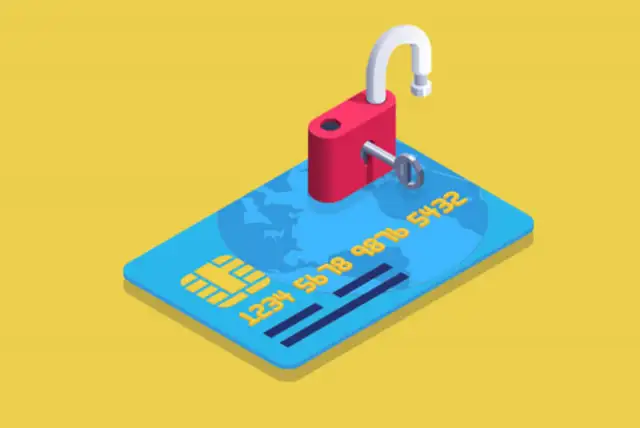
A locked credit card, also known as a frozen card, is typically restricted from processing new transactions, including purchases or cash advances. However, one common question that arises is whether a locked credit card can still receive money, such as refunds or payments.
The short answer is yes, a locked credit card can still receive funds in certain situations. In this post, we’ll break down how and when money can still be transferred to a locked credit card and what limitations might apply.
- Receiving refunds on a locked credit card
If you’ve returned a product or are due a refund for any reason, the merchant can still process the refund to your locked credit card. When a credit card is locked, it prevents outgoing transactions, but incoming credits like refunds are typically allowed. This is because refunds don’t involve a charge to your card but instead add funds back to your credit line.
So, if you’re worried about getting your money back after locking your card, rest assured that refunds will generally still go through without issues.
- Payments to reduce balance
Even if your credit card is locked, you are still responsible for paying off any existing balance. You can continue making payments to reduce your outstanding balance or avoid late fees. Locking the card doesn’t erase your debt; it just prevents new charges.
If you’ve locked your card due to suspicious activity or for security reasons, making payments on time is essential to maintain a good credit score and avoid penalties.
- Bank transfers and credits
In some cases, you might receive a credit on your locked card from your bank, such as a cashback reward or an interest adjustment. These types of credits will still be applied to your account even when the card is locked.
However, if you’re expecting a transfer or deposit from a different source, such as a direct deposit or a bank transfer, the situation might differ. Credit cards are generally not designed to receive deposits like a checking account. Therefore, it’s unlikely that a locked credit card would accept any non-standard form of credit unless it’s specifically a refund or payment adjustment.
- Locking vs. canceling a credit card
It’s important to distinguish between locking and canceling a credit card. A locked card is temporarily frozen and can be unlocked at any time. Canceling a credit card, on the other hand, closes the account permanently and prevents any future transactions, including refunds. If you’re considering canceling your card, ensure that you’ve received all pending refunds or credits before doing so.
While locking a credit card prevents new transactions, it doesn’t stop certain types of credits, such as refunds or payments, from being applied to the account. Always ensure that you keep track of any pending credits and continue to manage your payments responsibly, even if your card is temporarily locked for security reasons.