
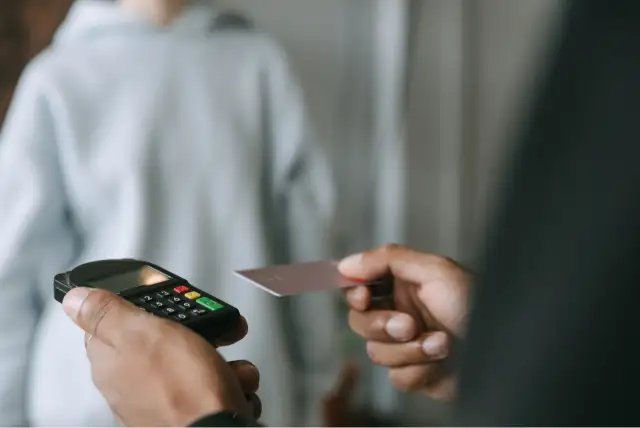
For small businesses, freelancers, food trucks, salons, retail stores, and mobile vendors, accepting card payments is no longer optional. Customers expect fast, secure, and contactless payment options almost everywhere they shop.
That’s where Square card readers have become one of the most popular payment solutions in the United States.
Square offers simple, beginner-friendly hardware that allows businesses to accept credit cards, debit cards, mobile wallets, and contactless payments without complicated setups or long-term contracts.
In this guide, you’ll learn how Square card readers work, their pricing, features, pros and cons, and whether they’re the right fit for your business.
What Is a Square Card Reader?
A Square card reader is a payment processing device that connects to Square’s point-of-sale (POS) system, allowing businesses to accept electronic payments in person.
Square readers support:
- Credit cards
- Debit cards
- EMV chip cards
- Contactless payments
- Apple Pay
- Google Pay
- Tap-to-pay transactions
Square is especially popular because it offers:
- Easy setup
- Transparent pricing
- No long-term contracts
- Mobile-friendly payment tools
- Integrated business software
Many small businesses choose Square because they can start accepting payments quickly without needing expensive merchant account setups.
How Square Card Readers Work
Square readers connect to smartphones, tablets, or dedicated Square hardware through Bluetooth or built-in software.
After downloading the Square POS app, businesses can:
- Connect the card reader
- Create products or services
- Accept payments
- Send receipts
- Track sales and inventory
Funds are typically deposited into a linked bank account within one to two business days.
The entire system is designed to simplify payment processing for small businesses and independent sellers.
Types of Square Card Readers
Square offers several hardware options depending on your business needs.
Square Reader for Contactless and Chip
This is the most popular entry-level device.
It accepts:
- Tap payments
- EMV chip cards
- Mobile wallet payments
Best For
- Small businesses
- Pop-up shops
- Farmers markets
- Mobile vendors
- Freelancers
Main Advantages
- Portable design
- Wireless Bluetooth connection
- Affordable pricing
- Easy setup
This reader is ideal for businesses that primarily need mobility and simplicity.
Square Magstripe Reader
The magstripe reader is Square’s most basic option.
It allows customers to swipe traditional magnetic stripe cards.
Best For
- Very small businesses
- Backup payment processing
- Businesses with limited transaction volume
However, since most consumers now use chip or contactless payments, many businesses prefer upgraded Square readers.
Square Terminal
The Square Terminal is a portable all-in-one payment device with a built-in screen and receipt printer.
Features Include
- Touchscreen display
- Receipt printing
- Wi-Fi connectivity
- Tap, chip, and swipe support
- Battery-powered portability
Best For
- Restaurants
- Retail stores
- Service businesses
- Mobile checkout environments
Unlike smaller readers, the Terminal works independently without needing a smartphone or tablet.
Square Register
The Square Register is a full countertop POS system designed for larger businesses.
It includes:
- Dual screens
- Integrated payment processing
- Inventory management
- Employee tracking
- Customer-facing display
Best For
- Retail stores
- Coffee shops
- Restaurants
- High-volume businesses
The Register offers a more professional checkout experience but comes with a higher upfront cost.
Square Card Reader Pricing
One of Square’s biggest advantages is transparent pricing.
Most businesses can start using Square without monthly software fees.
Typical Square Processing Fees
Square generally charges flat-rate transaction fees for payments.
Common rates include:
- In-person transactions: around 2.6% + 15¢
- Online payments: around 3.3% + 30¢
- Manually entered cards: higher fees may apply
Flat-rate pricing makes costs predictable for small businesses.
Hardware Costs
Square hardware pricing varies by device.
Approximate costs include:
| Device | Typical Price |
| Square Reader | Around $50-$60 |
| Square Terminal | Around $300 |
| Square Stand | Around $150 |
| Square Register | $800+ |
Prices may change over time depending on promotions or updated hardware.
Key Features of Square Card Readers
Square isn’t just a payment processor. It also includes a broader business management ecosystem.
Built-In POS Software
The Square POS app includes:
- Sales tracking
- Product management
- Digital receipts
- Basic reporting
- Customer directories
Many of these tools are available even on Square’s free plan.
Contactless Payments
Modern customers increasingly prefer tap-to-pay transactions.
Square readers support:
- NFC payments
- Apple Pay
- Google Pay
- Contactless cards
This improves checkout speed and customer convenience.
Mobile Business Support
One reason Square became so popular is its strong support for mobile businesses.
Square works especially well for:
- Food trucks
- Event vendors
- Market sellers
- Independent contractors
- Mobile service providers
Its portability allows businesses to accept payments almost anywhere.
Inventory Management
Square also includes inventory tracking features for retail businesses.
Users can:
- Monitor stock levels
- Track sales trends
- Create product categories
- Manage item variations
Advanced inventory tools may require upgraded plans.
Online Store Integration
Square can integrate with online selling tools and e-commerce platforms.
Businesses can:
- Sell online
- Accept remote payments
- Send invoices
- Offer curbside pickup
- Manage omnichannel sales
This flexibility is valuable for growing businesses.
Pros of Square Card Readers
Square remains one of the most recommended payment systems for small businesses because of its simplicity and accessibility.
Easy Setup
Most businesses can begin accepting payments within minutes.
There’s no complicated installation process or technical expertise required.
No Long-Term Contracts
Unlike traditional merchant service providers, Square typically does not require long-term commitments.
This flexibility appeals to startups and seasonal businesses.
Beginner-Friendly Software
The Square ecosystem is intuitive and easy to learn, even for first-time business owners.
The dashboard, reports, and payment tools are designed with simplicity in mind.
Excellent for Mobile Payments
Square excels in mobile environments where portability matters.
Businesses can process payments anywhere with internet access.
Transparent Pricing
Square’s flat-rate pricing structure makes it easier to predict costs compared to more complicated merchant processing agreements.
Cons of Square Card Readers
While Square works extremely well for many small businesses, it may not be perfect for everyone.
Processing Fees Can Become Expensive
As transaction volume increases, flat-rate fees may become more costly than custom merchant processing solutions.
Larger businesses sometimes find cheaper alternatives after scaling.
Limited Advanced Customization
Compared to enterprise POS systems, Square may offer fewer advanced customization features.
Large businesses with complex operations may outgrow the platform.
Occasional Account Holds
Some users report temporary payment holds or account reviews, particularly for unusually large transactions or sudden spikes in processing activity.
Who Should Use Square Card Readers?
Square is best suited for:
- Small businesses
- Startups
- Mobile sellers
- Freelancers
- Food trucks
- Coffee shops
- Retail stores
- Service-based businesses
It’s especially attractive for businesses wanting an affordable, easy-to-use payment solution without contracts.
Square vs Traditional Merchant Accounts
Traditional merchant accounts often involve:
- Contracts
- Monthly fees
- Equipment leases
- Complex pricing structures
Square simplifies this process with:
- Flat fees
- Fast setup
- No monthly commitments
- Integrated software
For smaller businesses, this simplicity is often a major advantage.
Is Square Safe?
Yes, Square uses secure payment encryption and complies with payment security standards.
Features include:
- Fraud monitoring
- Encrypted transactions
- Secure payment processing
- PCI compliance
Businesses should still follow good cybersecurity practices to protect customer information.
Frequently Asked Questions
How much does a Square card reader cost?
Basic Square readers usually cost around $50 to $60, while advanced hardware like the Square Register can cost over $800.
Does Square charge monthly fees?
Square offers free POS software with no required monthly subscription, though advanced features may require paid plans.
Can Square accept tap-to-pay payments?
Yes. Most modern Square readers support contactless payments, including Apple Pay and Google Pay.
Is Square good for small businesses?
Yes. Square is considered one of the best payment solutions for small businesses because of its easy setup, transparent pricing, and mobile flexibility.
Does Square work without Wi-Fi?
Some Square devices can process offline payments temporarily, though internet access is generally recommended for full functionality.
Square card readers have transformed how small businesses accept payments. Their combination of affordability, mobility, and user-friendly software makes them one of the best payment processing solutions for startups and growing businesses.
Whether you’re running a coffee shop, online store, food truck, or freelance business, Square offers a flexible way to process payments without complicated contracts or expensive equipment.
For many entrepreneurs, Square provides the perfect balance between simplicity, functionality, and scalability.