
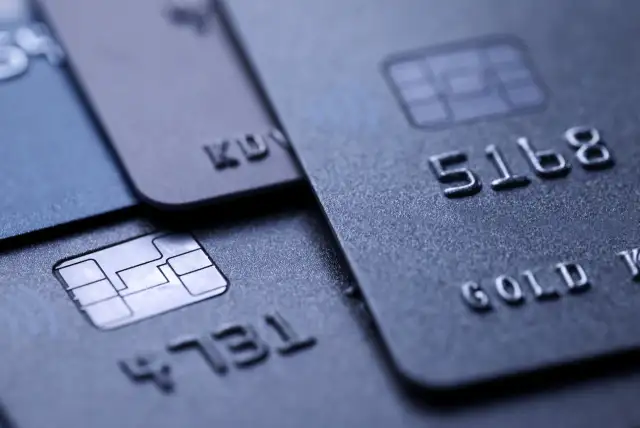
Credit has become one of the easiest financial tools to use in everyday life. From tap-to-pay cards and mobile wallets to Buy Now, Pay Later services, consumers can make purchases instantly without using cash.
While this convenience offers flexibility and speed, it also creates financial risks that are easy to underestimate.
Many people start using credit with good intentions, only to discover how difficult it can be to stay in control once balances begin to grow.
High-interest rates, minimum payment structures, and financial emergencies often turn short-term borrowing into long-term debt.
Understanding why credit feels so simple to use, yet so difficult to manage, is the first step toward building healthier financial habits.
Why credit feels so easy to use
Instant access to spending power
One of the main reasons credit is so attractive is accessibility. Credit cards, digital payment apps, and financing options are accepted almost everywhere.
Consumers no longer need to save money before making purchases, which creates a sense of financial freedom.
Services like Buy Now, Pay Later have made this even more convenient. Instead of paying the full amount upfront, shoppers can divide purchases into smaller installments with just a few clicks. In many cases, approval happens instantly.
This creates a system designed around immediate gratification. People can buy what they want today and worry about the cost later.
The psychological effect of “invisible” payments
Paying with credit does not feel the same as spending cash. Studies have consistently shown that consumers spend more when using cards instead of physical money.
Cash creates a direct emotional connection to spending because you physically see the money leaving your hands. Credit cards and digital payments remove that feeling.
The transaction becomes almost invisible, especially with contactless payments and automatic checkouts.
As a result, many consumers underestimate how much they are actually spending until the bill arrives.
Promotional offers encourage more borrowing
Credit card companies compete aggressively for customers. To attract new users, banks frequently offer:
- 0% introductory APR periods
- Cashback rewards
- Travel points
- High credit limits
- Signup bonuses
These offers make borrowing feel harmless at first. A 0% APR promotion, for example, can create the illusion that debt is “free” temporarily.
While promotional financing can be useful when managed responsibly, it often encourages consumers to spend more than they normally would.
Why credit is so difficult to control
High interest rates quickly increase debt
The biggest danger of credit cards is interest. Once a balance is carried from month to month, interest charges begin accumulating rapidly.
Many credit cards have Annual Percentage Rates (APR) above 20%, and because interest compounds, debt can grow faster than expected. Even relatively small balances become expensive over time if they are not paid off quickly.
This is where many consumers get trapped. What started as a manageable purchase becomes a long-term financial burden.
Minimum payments create a debt cycle
Credit card minimum payments are designed to keep accounts active, but they also keep consumers in debt longer.
Paying only the minimum amount may prevent late fees, yet most of the payment often goes toward interest instead of reducing the principal balance. This can stretch repayment over several years.
For many borrowers, minimum payments create a false sense of control because the debt appears manageable, even though the balance barely decreases.
Emergencies force people to depend on credit
Unexpected expenses are another major reason people lose control of credit. Medical bills, car repairs, job loss, or rising living costs can force consumers to rely on credit cards just to cover basic needs.
In these situations, credit becomes a financial safety net rather than a convenience tool. Unfortunately, relying on debt during emergencies often leads to high credit utilization and ongoing dependency.
Without emergency savings, it becomes difficult to break the cycle.
Credit scores can feel confusing
Credit scoring systems are not always easy to understand. While factors like payment history and credit utilization are widely known, the exact scoring formulas remain proprietary.
Because of this, many consumers struggle to understand why their score changes or how long recovery takes after financial mistakes.
A single missed payment can significantly damage a credit score within weeks, while rebuilding credit usually requires consistent positive behavior over many months or even years.
How to take back control of credit
Treat credit like cash
The simplest rule for managing credit is to avoid charging anything you cannot afford to pay off immediately.
Using credit responsibly means treating it as a payment method, not extra income. If a purchase would not fit within your bank account today, it may not belong on a credit card either.
Keep credit utilization low
Credit utilization refers to how much of your available credit you are using. Experts generally recommend keeping utilization below 30% of your total credit limit.
For example, someone with a $10,000 limit should ideally avoid carrying balances above $3,000. Lower utilization not only improves financial stability but also helps maintain a healthier credit score.
Automate full payments
Automatic payments can prevent one of the most common financial mistakes: forgetting due dates. Setting up autopay for the full statement balance helps consumers avoid:
- Interest charges
- Late fees
- Credit score damage
Automation also creates consistency, which is essential for long-term financial health.
Credit is intentionally designed to feel fast, convenient, and painless. Modern payment systems make borrowing easier than ever, while rewards and promotional offers encourage consumers to keep spending.
The challenge begins when balances are not paid in full. High interest rates, minimum payment structures, and emergency expenses can quickly turn short-term borrowing into long-term debt.
The good news is that credit can still be a powerful financial tool when used carefully.
By treating credit like cash, keeping balances low, and paying bills on time, consumers can enjoy the benefits of credit without falling into the traps that make it so difficult to control.